


Some mornings announce fall before the calendar does: cold floors, a grey sky, and a sudden urge to hold something warm with both hands. A chai latte fits that morning better than almost anything else. It is sweet without being dessert, spiced enough to feel like an occasion, and gentle enough to sip while you are still waking up.
Café versions are usually fine. Homemade is better. You decide how much ginger, how sweet, how strong, and whether the milk comes from a cow or a carton of oats. Once you have made it a few times, the whole process takes about ten minutes with things you likely already keep in the cupboard.
What Actually Goes Into a Chai Latte
Four things, roughly in order of importance: spice, tea, milk, sweetener. Get the spice right and the rest is just preference.
Spice. Whole spices, toasted briefly and crushed, taste brighter than anything pre-ground. Cardamom does most of the heavy lifting. Cinnamon and ginger give warmth. Cloves and black pepper add the tingle at the back of your throat that makes chai feel like chai.
Tea. A strong, malty black tea such as Assam is the classic choice. It stands up to milk and spice without disappearing. Darjeeling is too delicate here; save it for a plain cup. Loose leaf is lovely, but three or four good tea bags work perfectly well.
Milk. Whole milk gives the creamiest result. Oat milk, especially the barista-style kind, is the best dairy-free stand-in because it froths and doesn't taste of almonds or coconut in the background.
Sweetener. Chai is meant to be sweet. Sugar, maple syrup, jaggery, or honey all work. Start with a modest amount and add more at the end, once the tea has cooled enough to taste properly.
Building the Spice Blend
The core five
- Green cardamom — 4 pods, crushed. The floral backbone.
- Cinnamon — one 3-inch stick, broken up. Sweet warmth.
- Fresh ginger — a 1-inch piece, thinly sliced. Skip the dried stuff if you can.
- Cloves — 3 whole. More than that and they take over.
- Black peppercorns — 4, cracked. The bit that keeps it from tasting flat.
Nice additions, if you have them
One star anise adds a liquorice note that suits cold weather. A pinch of fennel seed softens everything. Freshly grated nutmeg goes on top at the end rather than in the pot, where its aroma cooks away. A strip of orange peel, added with the tea, gives a citrus edge that pairs well with maple syrup.
Crush cardamom pods with the flat of a knife and use the husks too. Most of the flavour sits in the dark seeds, but the green shell carries its own perfume and there is no reason to throw it away.
If you buy whole spices, toast them in a dry pan for thirty seconds before crushing. You will smell the difference immediately — they go from dusty to vivid.
The Recipe: Autumn Spiced Chai Latte for Two
This makes two generous mugs. The method matters: real chai simmers, it does not steep in a mug like ordinary tea.
You will need:
- 1½ cups water
- 2 tablespoons loose Assam tea, or 3 tea bags
- The core five spices above, plus optional star anise
- 1½ cups whole milk or barista oat milk
- 1 to 2 tablespoons maple syrup, sugar, or honey
Method:
- Warm a small saucepan over medium heat. Add the whole spices and toast for 30 seconds, until fragrant but not smoking.
- Pour in the water and bring it to a boil.
- Add the ginger, lower the heat, and simmer gently for 5 minutes. The water should turn pale amber.
- Add the tea and simmer for 3 minutes. Set a timer. Past five minutes the tea turns harsh and bitter, and no amount of milk will fix it.
- Pour in the milk and sweetener. Heat until steaming, with small bubbles just starting to gather at the edge of the pan. Do not let it boil hard.
- Taste. It should be slightly sweeter and spicier than you want in the finished drink, because the milk will soften everything.
- Strain into two mugs through a fine sieve.
For the foam, warm a couple of extra tablespoons of milk separately and whisk it hard in a small jug, or use a battery frother. Spoon it over the top and grate nutmeg or cinnamon across the surface. A cinnamon stick in the mug is optional; a star anise on the saucer is just for looks, and that is allowed.
Adjusting Milk, Sweetener, and Strength
Once you have the base recipe, everything else is tuning.
- Too thin? Use whole milk, or replace a quarter cup of the water with milk and simmer two minutes longer.
- Too sweet? Cut the sweetener in half and add one more peppercorn next time.
- Too bitter? You simmered the tea too long, or used too much. Reduce both.
- Want it richer? A spoonful of sweetened condensed milk instead of sugar makes a dessert-grade version.
- Watching caffeine? Decaf black tea works, though the brew tastes lighter and benefits from an extra cardamom pod.
Honey and maple syrup should go in after the tea has steeped but while the pot is still warm; they dissolve easily and you keep their flavour. If you are limiting sugar or caffeine for a health reason, this is a drink you can adapt, but it is worth checking with a doctor or dietitian about how it fits your day.
Make a Concentrate for the Week
This is the trick that turns chai from a weekend project into a weekday habit. Simmer 1 cup of water with the spices for 6 minutes, add 3 tablespoons of tea, and simmer 4 minutes more. Strain, sweeten lightly, and pour into a jar. It keeps in the fridge for about a week.
In the morning, warm equal parts concentrate and milk in a small pan or in the microwave, froth, and you are done in three minutes. The concentrate is strong on purpose — that is what allows the milk to go in at a one-to-one ratio. If you prefer a lighter drink, use one part concentrate to two parts milk and add a pinch of cinnamon to the mug.
Small Things That Make a Difference
Warm your mugs. A chai that goes cold in five minutes is a waste of good spice, and hot water swirled in the mug for thirty seconds costs nothing.
Grind spices in small batches. A jar of pre-ground chai masala loses its punch within a few weeks; whole spices keep for months. If you do blend your own, keep it in a small airtight jar away from the stove.
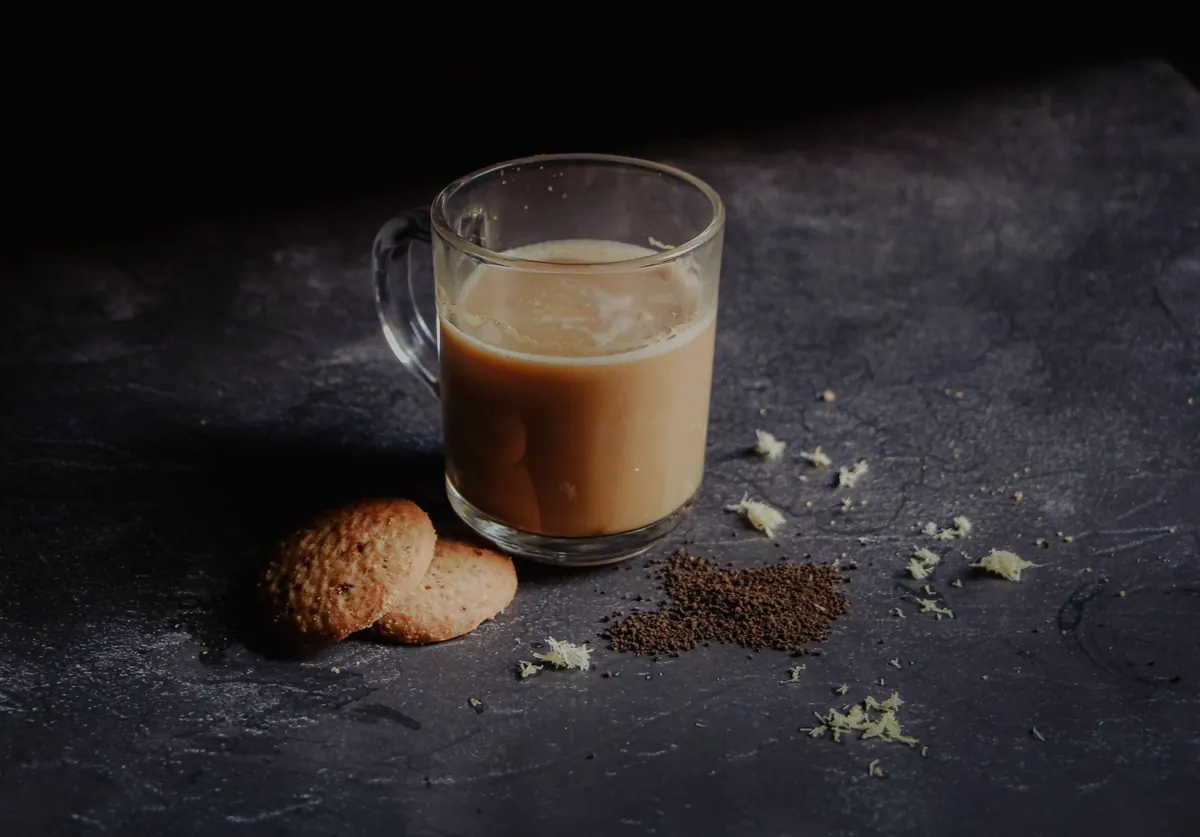
Serve it with something plain. Shortbread, a slice of buttered toast, or a plain biscuit lets the spice do the talking. A very sweet cake on the side tends to flatten the whole experience.
A Ritual Worth Repeating
Start with the core five spices and the basic ratio, then change one thing each time you make it. More ginger. Less clove. Maple instead of sugar. Within a month you will have a house blend that no café can match, and a ten-minute routine that makes cold mornings something to look forward to rather than endure.
If you are making it for a crowd, double everything except the tea, and only add the extra tea in the last three minutes. The pot can sit off the heat for a while, and the last mug poured will taste nearly as good as the first.
Photo: Tanha Tamanna Syed / Pexels