

A kettle is one of the few things in a kitchen you touch every day, sometimes several times before lunch. That makes the choice between stovetop and electric matter more than it first appears. One boils in a hurry and never needs a cord; the other gives you temperature control and switches itself off when the job is done. Neither wins everything. What follows is a straight comparison of speed, safety and energy use, plus what each style actually does for what ends up in your cup.
Two Very Different Ways to Heat Water
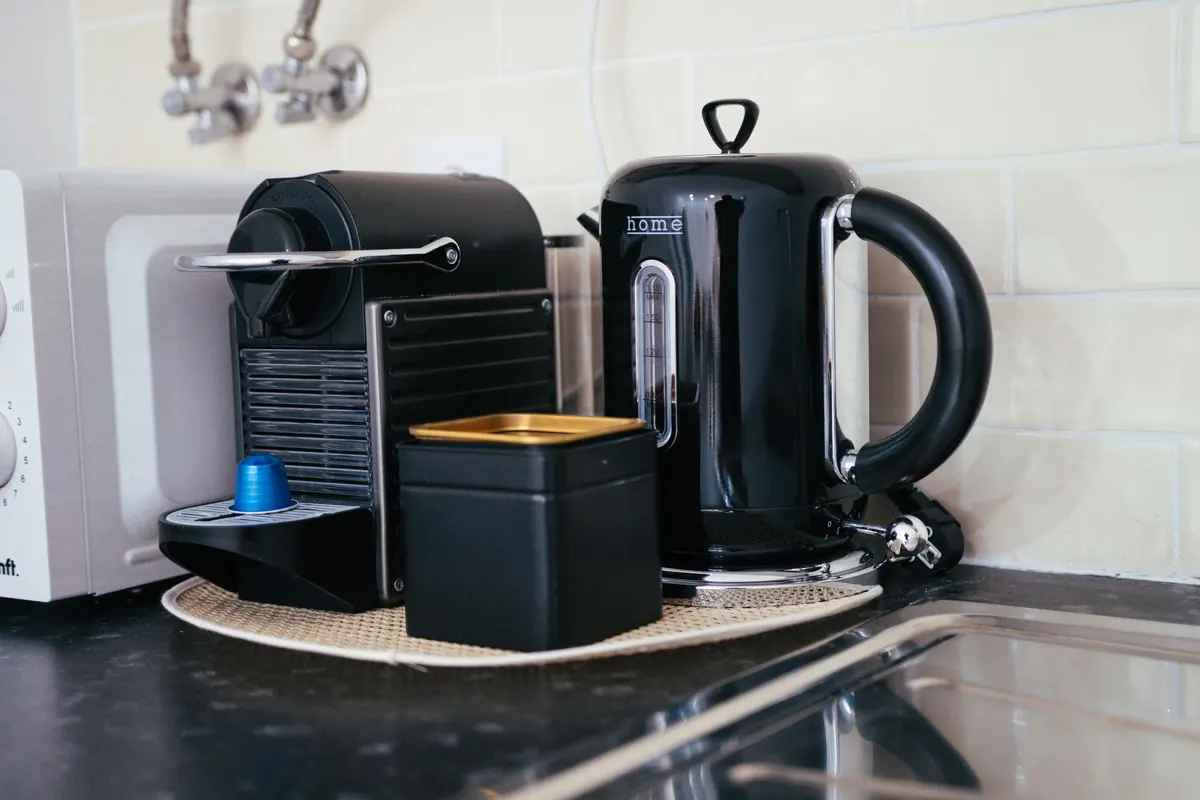
An electric kettle puts the heating element in direct contact with the water, usually as a concealed disc at the base of the body. Heat travels almost straight into the liquid, and the enclosed walls keep most of it from escaping. That is why the whole thing can shut off within seconds of the water reaching a rolling boil.
A stovetop kettle works in two stages: the hob heats the base, then the base heats the water. Some of that heat inevitably escapes around the sides, up the handle and into the room. On a gas burner or a solid electric plate, that loss is noticeable. On an induction hob with a flat, magnetic base, the transfer is much tighter — though the speed there comes mostly from the hob, not the kettle.
Speed: Electric Usually Wins, With One Exception
For a mug or a small pot, an electric kettle is almost always quicker. The volume is small, the element is in contact with the water, and there is very little metal mass to heat up first. A stovetop kettle has to warm its own body before it can do much for the water inside.
The gap narrows in two situations. Fill a large stovetop kettle on a powerful gas burner, and it becomes competitive with a mid-range electric model. Use an induction hob with a proper induction-ready kettle, and it can be genuinely fast. Variables matter more than the category here: how cold the water is, how much limescale has built up, whether the lid is on, and whether the base sits flat on the burner.
One habit beats every equipment choice: boil only what you need. Measuring into your mug first, then tipping it into the kettle, saves more time than any upgrade.
Energy: Where the Heat Actually Goes
With an electric kettle, the great majority of the energy you pay for ends up in the water. Losses happen mainly through the walls of the body and as steam once it boils. With a stovetop kettle on a gas hob, a fair share of the flame's heat curls around the sides and warms the kitchen instead. That is the main reason electric kettles generally use less energy to boil the same amount of water on a gas or conventional electric hob. On induction, the two come much closer.
Running costs are a separate question from efficiency. What you actually pay depends on your electricity tariff, your gas price, and how often you boil more than you need. Those numbers vary widely by region and change over time, so it is worth checking your own bill rather than trusting a general rule — and if you are comparing appliances against each other in detail, an energy advisor or your supplier's published rates will give you a truer picture than any estimate.
Two maintenance points affect this more than people expect. Limescale insulates the element or the base, so a furred-up kettle takes longer and uses more energy for the same result. And a stovetop kettle with a scorched or warped base will sit unevenly and transfer heat poorly.
Safety: Different Risks, Different Habits
Both styles are safe when used as intended, but the failure modes are not the same.
- Electric kettles usually have boil-dry protection and an automatic cut-off, so a forgotten kettle is rarely a drama. The common risks are a cord trailing across a wet counter, a kettle knocked over while full, and steam scalding a hand reaching over the spout.
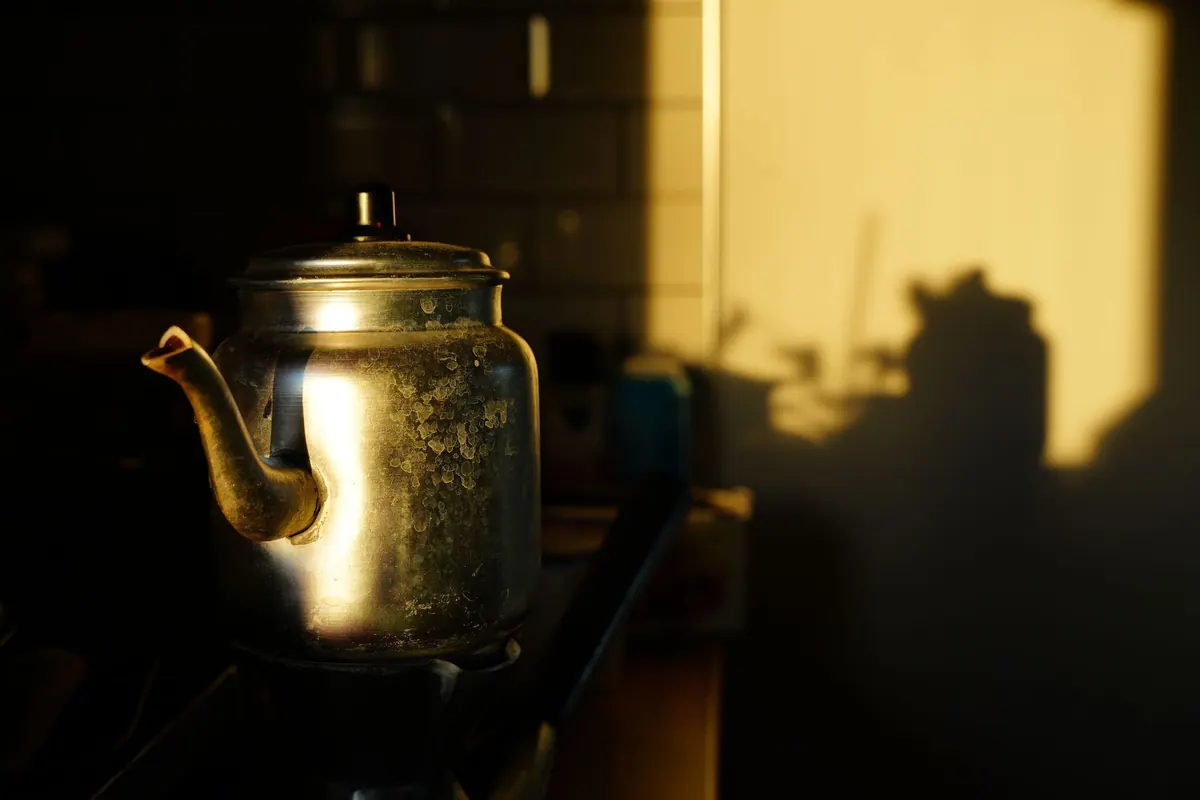
- Stovetop kettles have no automatic shut-off unless a whistle alerts you. Leave one on an empty hob and you can scorch the base, damage the finish or melt a plastic handle. Handles and lids also get genuinely hot, and on gas the flame can lick up the side of the kettle.
- Both deserve the same basics: never fill above the maximum line, keep them away from the edge of the counter and from young children, and pour away from your body.
- Never put an electric kettle on a hob, even briefly, and check that a stovetop kettle is induction-compatible before buying one for an induction cooker.
What It Means for Tea and Coffee
Temperature control
This is where electric kettles pull clearly ahead. Delicate green and white teas are usually brewed well below boiling, oolongs sit somewhere in the middle, and black tea and most coffee brewing want water just off the boil. A variable-temperature electric kettle lets you set that and walk away. With a stovetop kettle you are guessing: boil, then wait, and the waiting time shifts with the kettle, the season and the room. A simple kitchen thermometer takes the guesswork out if you prefer the stovetop route.
Pouring
For pour-over coffee, a gooseneck spout gives you control that a standard spout cannot match. Gooseneck stovetop kettles exist, but you lose the precise temperature setting — and you are lifting a full, heavy, hot kettle with one hand while trying to pour slowly. Electric gooseneck models make that motion much easier.
Water quality
Either kettle benefits from fresh cold water each time rather than reheating the same water all day, which flattens the taste. If your tap water is hard or heavily chlorinated, a filter jug will do more for your tea than any kettle upgrade. Descale when you see chalky flakes or a white film on the base — how often depends entirely on your water.
Getting the Best Out of the Kettle You Already Own
- Measure the water into your cup or pot first, then pour it into the kettle. You will never boil a litre for one mug of tea again.
- Keep the lid closed while heating. An open lid lets heat pour straight out.
- Match the kettle base to the burner size on a stovetop, and keep the flame under the base rather than around it.
- Warm your mug or teapot with a splash of hot water while the kettle finishes. Your drink stays hot noticeably longer.
- Descale regularly, especially if you live in a hard-water area.
- Switch an electric kettle off at the wall when you are done. There is no reason to keep it on standby all day.
How to Choose
If you drink tea or coffee at specific temperatures, brew pour-over, or want speed and an automatic cut-off, an electric kettle with variable temperature control is the more useful tool. If you like the ritual, cook with gas, want one less appliance competing for counter space, or regularly boil large volumes for a teapot or a pan, a stovetop kettle earns its place.
Plenty of households keep both: the stovetop kettle for big pots and the electric one for the daily cup. Start from how you actually make your drinks, and the decision usually makes itself.
Photo: Betül Üstün / Pexels