

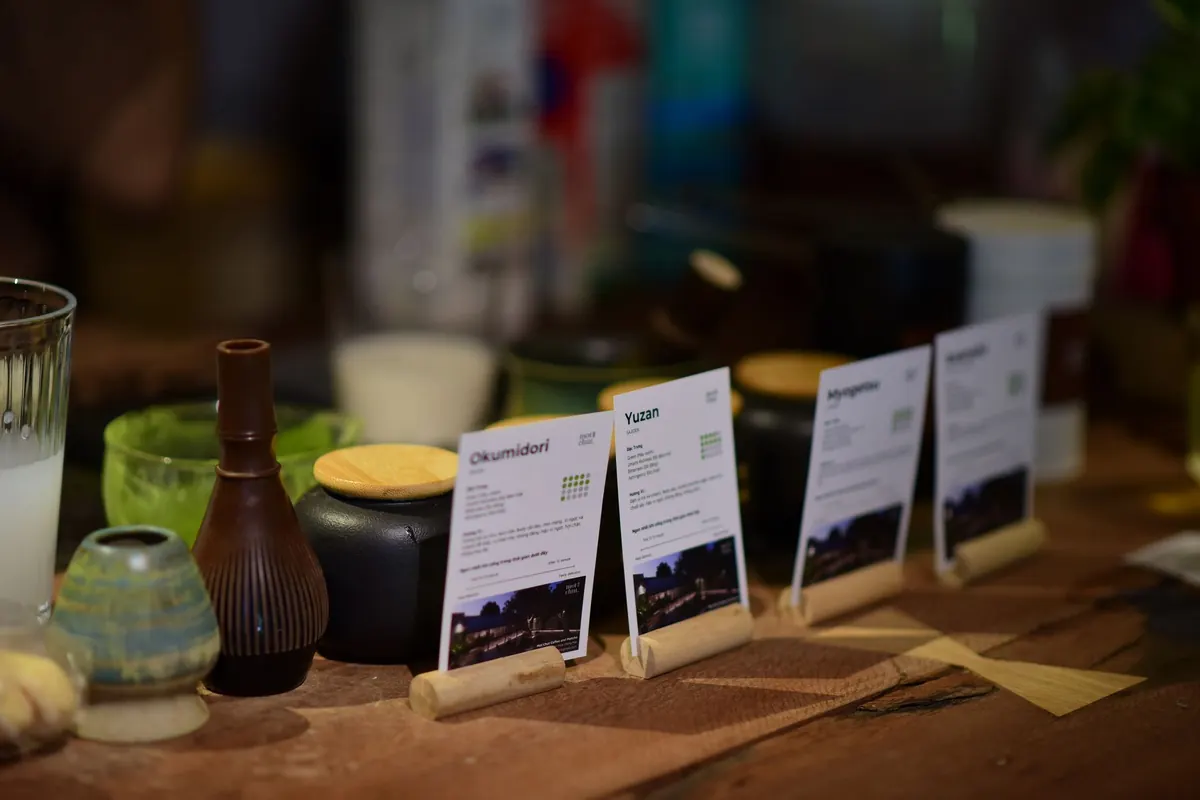
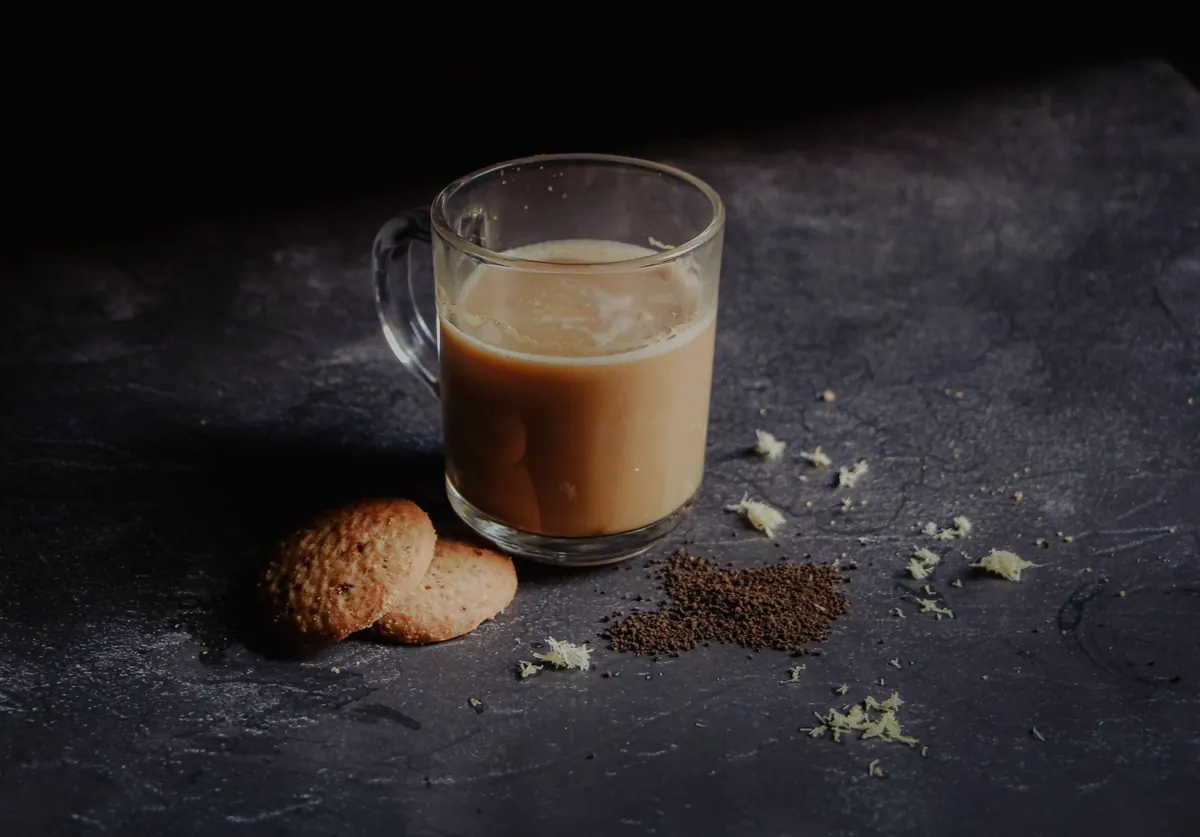
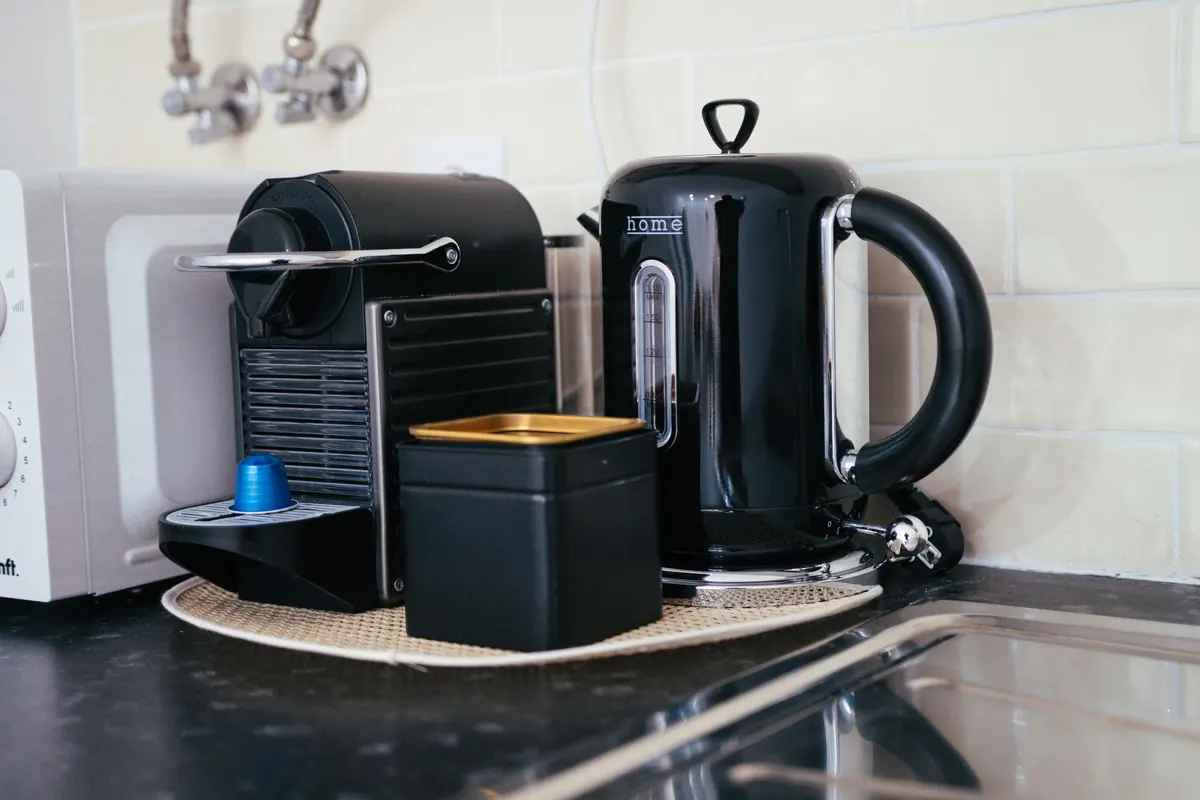
A good coffee and tea tasting does not require a sommelier, a rented room, or a budget beyond your usual grocery run. It needs six chairs, a handful of small cups, a kettle, and a stack of index cards. That is the whole barrier to entry.
The neighborhood version works because it gives people something to talk about that isn't the weather or the parking situation. You taste four things, you say what you notice, and by the second cup people are arguing politely about whether the coffee tastes like blueberries or only smells like them. Host it well once and you will be asked to do it again.
Choose a Format and Cap the Guest List
Decide three things before you send anything: coffee only, tea only, or both; morning or evening; and how many people.
Six to eight guests is the sweet spot. Everyone can reach the table, everyone gets a real pour, and conversation stays in one room instead of splintering. Past ten, either split into two tasting stations or run two shorter sessions. Otherwise the cups go cold while you pour.
Ask each guest to bring one coffee or tea they genuinely like — enough for a few small pours of coffee, or a few grams per person of tea. This spreads the cost, guarantees variety, and gives everyone a small job, which is the fastest way to make a room of near-strangers relax.
A morning tasting runs brighter: palates are fresher and nobody is watching the clock. An evening tasting is cozier, but caffeine matters more after six. Keep pours to three or four ounces, keep water and a decaf or herbal option on the table, and never push a fourth cup on someone who has stopped drinking. If anyone in the group has a health condition that makes caffeine a concern, they should check with their doctor rather than take a neighbor's word for it.
Build a Flight, Not a Buffet
The difference between a tasting and a random assortment of drinks on a counter is a variable. Change one thing at a time so people can actually taste the difference.
For coffee
Pick a theme. The same roast level from three different origins. Or one origin at three roast levels — light, medium, dark. Grind right before brewing if you have a grinder, and brew every cup the same way: same ratio, same water just off the boil, same method. If the brewing changes, the tasting stops being about the beans.
For tea
Brew a family portrait: a green, a light oolong, a black, and a roasted oolong. Or take a single tea and steep it three ways — cooler water, hotter water, longer time — and let people watch how much the same leaf can change. Green and white teas generally prefer cooler water; black tea and pu'er handle water closer to a boil. A small teapot or gaiwan lets you pour tiny rounds and refill often, which keeps the table busy.
Keep cups small and number them with masking tape. Three ounces is plenty for tasting, and small pours mean people can get through the whole flight without feeling over-caffeinated.
Set the Table So Nobody Has to Guess
- Lay out numbered cups in order, one set per person, so everyone tastes the same thing at the same time.
- Give each seat a glass of water, a dump cup or small bowl, a napkin, and a pen.
- Brew in small batches and pour every cup before anyone sips. Coffee that has been sitting in a carafe for ten minutes tastes like coffee that has been sitting in a carafe for ten minutes.
- Keep the labels hidden until the end. Blind tasting makes people braver and more honest.
- Park a kettle of hot water and a pitcher of cool water at the end of the table for rinsing between cups.
Give People Three Questions, Not a Vocabulary Test
Most people freeze at a tasting because they think they are supposed to say "stone fruit" and have no idea what that means. Take the pressure off with three prompts instead.
What does it smell like? Before sipping, everyone leans in. Answers like "toast," "wet leaves," or "my grandmother's kitchen" are all useful.
What does the first sip remind you of? Encourage slurping — it pulls air across the tongue and opens up the flavor. Ask where they feel it: front of the tongue, back of the throat, or as a dry, grippy feeling on the sides.
Do you want a second cup? This is the most honest question in the room, and it matters more than any descriptor. A tasting note is interesting; a refill is a verdict.
Have people jot answers on index cards, then reveal the labels and compare. The point is not accuracy. It is noticing.
Snacks That Stay Out of the Way
Food is there to reset the palate, not to compete with it.
- Still and sparkling water, in pitchers, within reach
- Plain crackers, neutral bread, or shortbread
- Cubes of mild cheese, brought to room temperature
- Sliced apple or pear, and a few dried apricots — especially good alongside tea
- A small square of dark chocolate, which flatters both coffee and black tea
- Skip garlic, onion, heavily spiced dips, strongly flavored chips, and anything aggressively citrusy; they will flatten every cup that follows
- Keep portions small and bowls refilled rather than piled high
- List what you are serving on the invitation and ask guests to flag allergies or dietary needs when they RSVP
Invitations and the Two-Hour Window
A paper invitation tucked into a mailbox is hard to ignore and easy to keep on the fridge. A group text works too. Either way, include the date, a clear start and end time, the address, what to bring, and what to leave at home.
Sunday, 10 a.m. to noon. 42 Alder Street, back porch. Bring one coffee or tea you love and a mug you don't. I'll have water, cups, and snacks. Text me if you're coming, and tell me about any allergies.
Two hours is the right length. Long enough to taste six things and talk, short enough that people leave wanting more rather than glancing at the door. Name tags sound silly and are not — half the room will have forgotten a name by the second cup.
Recruit one helper for the day: someone to keep water hot and cups moving while you pour. When it is over, empty grounds and leaves into the trash or a compost bin, not the drain, and rinse the cups in hot water before anything dries on them.
After the Last Cup
Send one follow-up message the next day: a photo of the winning label, a line about what surprised people, and a date for the next one. Rotate hosts — a porch, a kitchen table, a building's common room. Keep a shared list of what the group liked, since it saves you from repeating the same three coffees all year, and consider a group order of beans or loose leaf every few months to split shipping.
The tastings that last are the ones that stay small and predictable. Same two-hour window, same size table, one new theme each time. Do that four times and you will have something better than a party: a standing excuse to know the people who live around you.
Photo: Sóc Năng Động / Pexels