

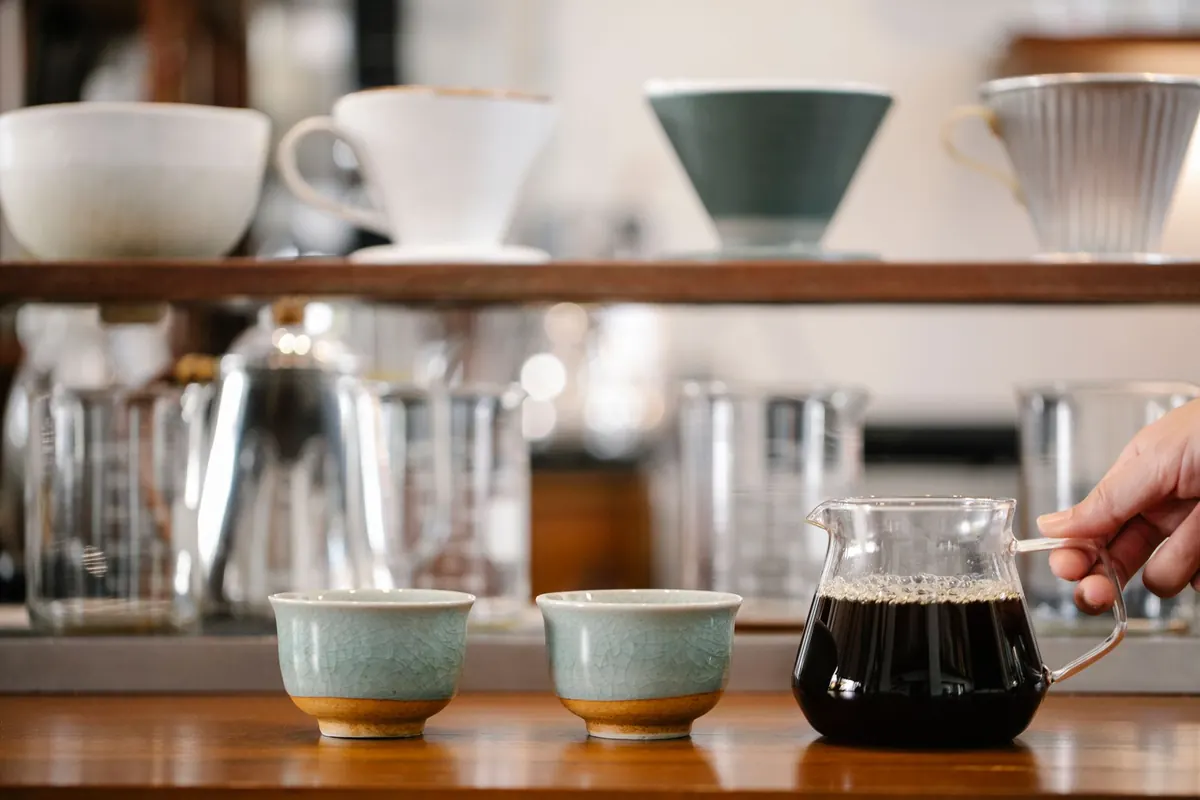
Two sips into your morning cup, your face does something you didn't plan. The coffee smelled sweet and nutty, but the taste lands sharp, thin, and oddly salty, like someone squeezed a lemon into the mug and forgot the sugar. Bitter coffee gets all the attention, but sour coffee is just as common and just as fixable. It's usually a sign of under-extraction, and it responds to a handful of small, sensible adjustments.
What Under-Extraction Actually Means
Water doesn't pull everything out of coffee at once. It works in stages. First come the fruit acids and the bright, tangy compounds. Next come the sugars and caramelized notes that give coffee its sweetness and body. Last come the bitter, drying compounds that show up when you keep going too long.
Under-extraction means you stopped before the sweet middle arrived. The acids are there. The balance isn't.
Three things push a brew in that direction: grounds too coarse for the water to work through, water that's too cool, and contact time that's too short. Roast level and freshness matter too. Light roasts are denser and more stubborn, and very fresh beans release carbon dioxide that can throw off the first brew from a new bag.
Sign 1: Sour, Sharp, and Sometimes Salty
Under-extracted coffee hits the sides of your tongue and the back of your jaw. You might taste lemon, green apple, rhubarb, unripe berries, or a faint saltiness that seems out of place in coffee.
The giveaway is your reaction. Bright coffee is pleasant and juicy, with sweetness underneath the acidity. Sour coffee makes you wince. If you find yourself adding sugar or milk just to make a cup drinkable, that's a clue, and it's also why a mediocre espresso can disappear into an acceptable latte. Cream covers a lot of extraction sins.
Sign 2: Thin Body and a Finish That Disappears
Body is the weight of the coffee in your mouth, the syrupy quality of a good espresso or the roundness of a well-brewed pour-over. Under-extraction strips that away. The cup tastes like flavored water, and the finish is short: the flavor arrives, then vanishes within a second or two, leaving no sweetness, chocolate, or nuttiness behind.
Over-extraction goes too far in the other direction. Bitter, drying, ashy, sometimes harsh on the throat, with a finish that overstays its welcome. If a cup tastes sour and bitter at the same time, the extraction is uneven rather than simply short. That's usually channeling, where water finds one path through the bed of grounds and races through it. Stirring the grounds and leveling the bed helps, and a more consistent grinder helps more.
Sign 3: The Brew Runs Fast
Timing is the easiest sign to check, because you don't need a trained palate to read a clock.
Pour-over and drip
A 15-gram dose brewed with about 250 grams of water should generally finish somewhere between 2:30 and 3:30. If it's done in 1:45 and the bed looks flat and drained, the grind is likely too coarse or the pours are too fast.
Espresso
Pale, thin, watery shots that pull in 15 seconds are running short. A common starting recipe of 18 grams in and 36 grams out should take roughly 25 to 30 seconds. If the shot blondes early and gushes, grind finer.
French press and cold brew
Both rely on time rather than pressure. A very coarse grind with a four-minute steep, or a cold brew pulled after only eight hours, tends to under-extract. Go coarser for French press but let it steep longer; for cold brew, give it 12 to 18 hours.
How to Fix It: Change One Variable at a Time
Chasing several adjustments at once makes it impossible to know what worked. Pick one, brew, taste, then decide.
- Grind finer. This is the biggest lever you have. Go one or two clicks finer on a hand grinder, or one small step on an electric, then taste. If bitterness or a drying sensation shows up, you went too far. Back off a step.
- Slow the pour and extend contact time. Pour in smaller circles, keep the water level steady, and don't let the bed drain completely between pours. Adding 20 or 30 seconds often does more than people expect.
- Add a little agitation. Stir the bloom gently with a spoon, and give the brewer a light swirl after the final pour. This keeps water moving through all the grounds instead of a few channels.
- Raise the water temperature. Aim for roughly 90 to 96°C (195 to 205°F). Light roasts usually want the higher end of that range; darker roasts are more forgiving.
- Keep your dose steady. Adding more coffee makes the cup stronger but actually makes extraction harder, because there's more coffee competing for the same water. Fix sourness with grind and time, not by piling in more grounds.
- Check your water. Very soft or heavily filtered water can leave coffee tasting flat and sour, while very hard water mutes sweetness. If your tap water tastes good on its own, it's probably fine for brewing. If not, try filtered water or a mineral blend made for coffee.
A Simple Way to Dial In Tomorrow Morning
Write down your grinder setting and your recipe before you start, so you have something to compare against. Brew a cup, taste it, and name what you notice: sour, thin, fast. Then change one thing, usually the grind, and taste again. Two or three small moves are normally enough to take a cup from sharp to sweet, and you'll learn what your grinder actually does at each setting along the way.
Keep the beans the same while you're testing. Switching bags mid-dial-in makes it impossible to tell what changed. Expect new beans to need a day or two of rest, since coffee roasted yesterday can taste gassy and sharp. And if the cup tastes good, stop. There's no prize for matching a number on a timer.
Photo: Michael Burrows / Pexels