

You can buy excellent beans, weigh them to the gram, and use filtered water at the right temperature, then still pour a cup that tastes thin and sour or harsh and ashy. Most of the time, the grind is the culprit. Grind size decides how quickly water pulls flavor out of the coffee, and it is the one variable you can change in seconds. The guide below runs from the powder-fine grind espresso wants to the gravelly chunks cold brew prefers, with notes on what to adjust when a cup misses the mark.
Why Grind Size Changes the Taste
Flavor comes out of coffee in stages. Water dissolves fruity acids first, then sugars and caramel sweetness, then the bitter plant compounds that sit deeper in the cell structure. A fine grind exposes more surface area, so water races through all of those stages at once and drags the bitterness along with everything else. A coarse grind slows the process down, and if you pair it with a short brew time, the water never reaches the sugars at all.
Grind and brew time have to agree with each other. Espresso forces water through a small puck in roughly 25 to 30 seconds, so it needs a fine grind. A French press steeps for four minutes, so it uses a coarse one. Put espresso-fine coffee in a press and you get sludge and a biting finish. Put coarse coffee in an espresso machine and the water gushes through in seconds, leaving something closer to brown water than a shot.
The Grind Size Chart
Treat these as starting points. Grinder numbers mean nothing on their own; a "12" on one machine is a "4" on another. Texture is the reliable reference.
- Extra fine — like flour or powdered sugar, and it clumps when you pinch it. This is Turkish coffee territory, simmered slowly in an ibrik. It is also the very top end of what some espresso machines can handle with a pressurized basket.
- Fine — feels like finely ground table salt, with almost no grit. Standard espresso, moka pot, and Aeropress recipes with a short steep of about a minute.
- Medium-fine — fine sand you can just feel between your fingers. Cone-shaped pour-overs such as a V60, most Aeropress brewing, and smaller drip batches.
- Medium — coarse sand or a fine cornmeal. Flat-bottom drippers, everyday batch brew machines, and siphon brewers.
- Medium-coarse — rough sand with a few visible specks of grit. Chemex, Clever Dripper, and pour-overs where you are brewing a larger dose.
- Coarse — like sea salt or coarse cornmeal. French press, cupping bowls, and any full-immersion brew that sits for several minutes.
- Extra coarse — the size of cracked peppercorns or dry breadcrumbs. Cold brew and percolators, where the water works on the coffee for twelve hours or more.
Reading Grind by Touch
You do not need a chart in front of you once you know what to feel for. Take a small pinch between your thumb and forefinger and rub. If it slides like powder, it is espresso fine. If it sprinkles and leaves a little dust on your fingers, you are around pour-over territory. If individual particles roll around and feel almost like dry sand at the beach, you are in French press range.
Keep a reference on the counter if that helps: a small dish of table salt, one of coarse sea salt. Comparing a fresh grind against something familiar is faster than guessing, and it stops you from drifting finer and finer over weeks without noticing.
How to Fix a Cup That Tastes Wrong
Sour, Thin, or Salty
The coffee is under-extracted, which usually means the grind is too coarse for the brew time. Go one step finer and brew again. Expect the water to slow down, and do not panic if the total time stretches by fifteen or twenty seconds.
Bitter, Dry, or Hollow
The coffee is over-extracted. The grind is too fine, the water is sitting in it too long, or both. Go one step coarser. If the flavor is harsh but the body is good, grind coarser rather than shortening the brew; you will keep the sweetness and lose the edge.
Change One Thing at a Time
Adjust the grind, keep the dose, water, temperature and time the same, and taste. If you change three variables at once, you will never know which one fixed the cup. Write the setting on the bag with a marker. Two weeks later, when the coffee tastes different because the beans have aged, you will want to know where you started.
Burr Grinders, Blade Grinders, and Consistency
A burr grinder crushes beans to a fairly even size. A blade grinder chops them, producing a mix of dust and boulders in the same batch. That dust over-extracts and turns bitter while the boulders under-extract and stay sour, which is why blade-ground coffee so often tastes both at once.
If you are using a blade grinder, pulse in short bursts and shake the grinder between pulses to keep the pieces moving. It helps, but it will never match a burr. If a burr grinder is out of reach right now, buying whole beans and having the shop grind them to your brew method is a better trade than grinding unevenly at home, as long as you use the bag within a week or so.
Practical Habits That Keep You Close
- Start from the chart, then adjust to taste. The chart gets you into the right neighborhood; your palate picks the street.
- Grind right before brewing. Aromatics fade within minutes of grinding.
- When you switch methods, purge the grinder. A gram of espresso dust left in the chute will skew a French press.
- As beans age, they extract more easily. If a coffee that was perfect last week turns bitter, go slightly coarser before you blame the roaster.
- Note the setting for every new bag. Repeat bags behave differently, and a written record beats memory.
Your Next Step
Pick one brew method you make most often and dial it in this week, ignoring the rest. Weigh your coffee, note the grind setting, taste, and move one notch in the direction the cup tells you to go. Two or three brews usually get you close, and a fourth confirms it.
From there, the chart becomes a map rather than a rulebook. You will know what a French press grind feels like without checking, and you will hear the difference a single click makes. That is the point where brewing coffee stops being a guess and becomes something you can repeat on a Tuesday morning, half awake, without thinking about it.
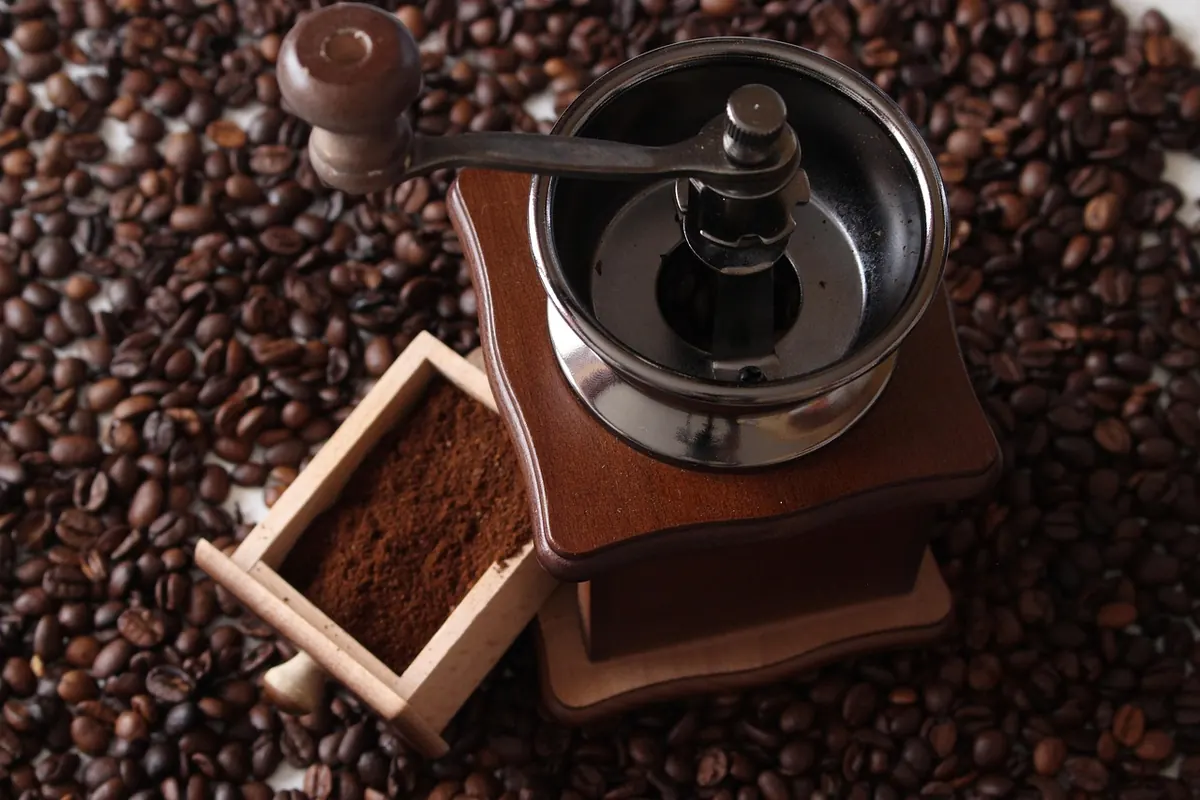
Photo: FUHMariaM / Pixabay