

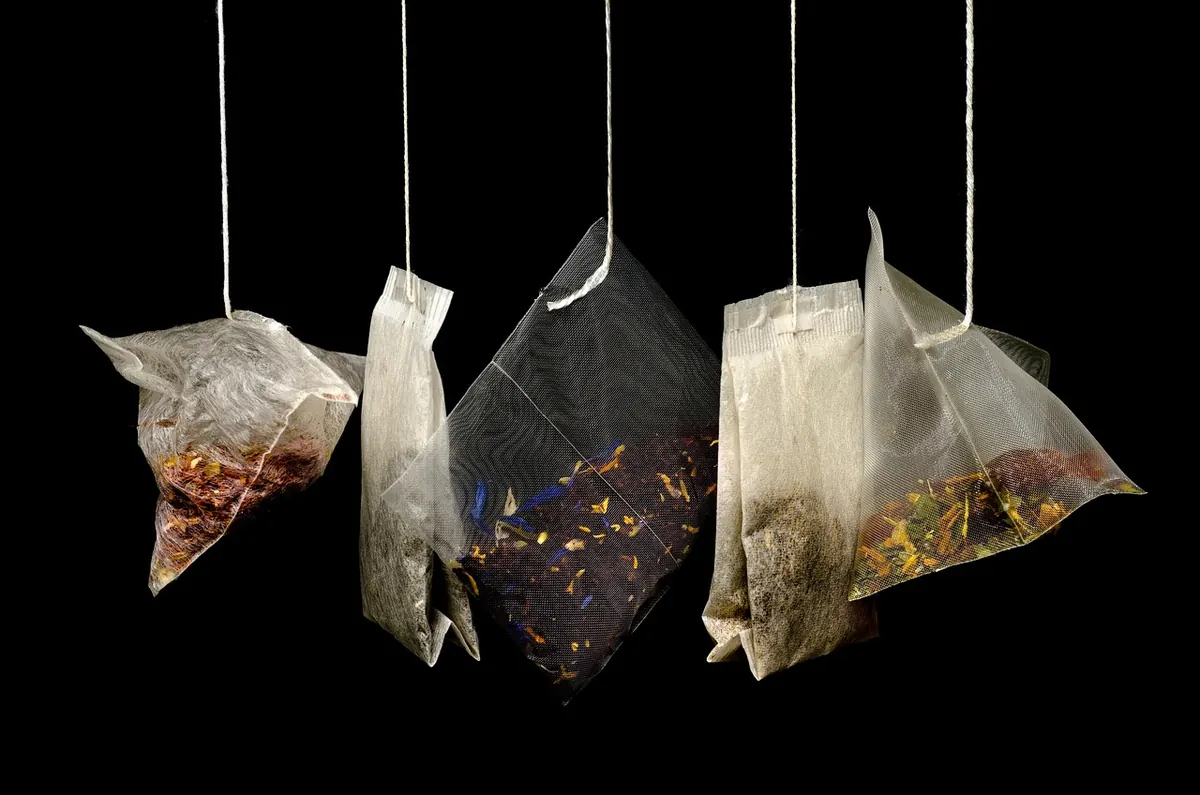
Good tea doesn't need a teapot. It needs hot water, loose leaves, and some way to keep the two apart once the steeping is done — and that last part can be a strainer from your kitchen drawer, a basket infuser, a French press, or simply gravity and a few minutes of patience.
Brewing by the mug is not a compromise. Small batches let you taste how a tea shifts from the first minute to the fourth, and they make it easy to correct course when a leaf wants cooler water or a shorter steep. Here are five methods that work well for one cup at a time, plus the details that actually matter.
Start With the Leaf, Not the Pot
Whatever vessel you choose, three variables decide the cup: how much leaf, how hot the water, and how long it steeps. Get those roughly right and the method becomes irrelevant.
- Amount: about one teaspoon of leaf per 6 to 8 ounces of water, or 2 to 3 grams if you have a scale. Fluffy white and large-leaf oolongs need more volume; fine-cut blacks and fannings need less.
- Temperature: green and white teas around 160–180°F, oolong 185–205°F, black and pu-erh just off a boil.
- Time: start with 1–2 minutes for greens, 2–3 for oolongs, 3–5 for blacks and herbals. Taste early rather than late; you can always keep steeping.
Method 1: A Rim Strainer and Two Mugs
This is the simplest setup there is. Steep the leaves loose in one mug, then pour the tea through a fine-mesh strainer into a second mug when it's ready. The strainer can be a purpose-made tea strainer, a small kitchen sieve, or the fine-mesh skimmer you use for dusting cocoa.
The advantage is space. Leaves float free and expand completely, so you get the full flavor a tea is capable of, which matters most with twisted oolongs, long-leaf greens, and whole-leaf blacks. The drawback is an extra mug to wash and the need to time the steep, since nothing is holding the leaves back while you drink.
One tip: rest the strainer on the second mug and pour slowly. If you dump the tea through in one fast gush, small pieces ride over the rim and end up in the cup.
Method 2: Basket Infusers Beat Ball Infusers
An infuser that drops into the mug is the most convenient option, but the shape matters more than the brand. Wide basket infusers let leaves unfurl and water circulate. The classic two-half ball infuser does neither — it pinches a teaspoon of leaf into a space that allows almost no movement.
What to look for
- A basket wide enough to fill most of the mug's opening.
- Fine mesh, so small broken pieces stay inside.
- A hook or rim that lets it sit high enough to pour without dunking the lid.
Fill the basket no more than halfway. Leaves need roughly three to five times their dry volume to expand properly, so a level teaspoon in a generous basket will outperform two teaspoons crammed into a small one. When the steep is done, lift the infuser out rather than leaving it parked in the mug — it keeps extracting whether you're drinking or not.
Method 3: Use a French Press
A French press is a teapot with a plunger, and it's excellent for tea. A four-cup press makes one generous mug or two smaller ones, and the glass lets you watch the color develop.
- Add the leaves to the empty carafe, not on top of the plunger.
- Pour in water at the right temperature, then stir once to wet every leaf.
- Steep, tasting at the low end of the time range for your tea type.
- Press the plunger down slowly, stopping well above the leaves, and pour immediately.
Pour all of it out — into your mug and a second cup if needed. Tea left sitting on the leaves keeps getting stronger, and the second pour from a press is where bitterness usually shows up. Rinse the carafe and the mesh soon after; dried leaf debris is stubborn once it sets.
Method 4: Cold Brew in a Jar or Bottle
Cold water extracts differently. It pulls sweetness and body while leaving much of the astringency behind, which is why cold-brewed tea rarely turns bitter even if you forget about it.
Use roughly 4 to 6 tablespoons of leaf per quart of cold filtered water, or about a tablespoon per cup for a lighter result. Refrigerate 8 to 12 hours for black, oolong, and herbal blends; cut green tea back to 4 to 6 hours so it stays bright. Strain through a fine sieve, a coffee filter, or a nut milk bag, and keep what you don't drink covered in the fridge for two or three days.
If you want it hot, don't microwave cold brew — the flavor flattens. Drink it over ice, or dilute a concentrated batch with a little hot water.
Method 5: Let the Leaves Settle
The most minimalist approach is also the one most drinkers in China use daily. Drop whole leaves into your mug, add water, and wait. The leaves sink to the bottom; you drink from the top.
This only works with intact leaf. If you can't see distinct leaf shapes in the dry tea, skip it — fannings stay suspended and you'll end up chewing your cup. It suits oolongs, green teas, and pu-erh especially well.
Fill the mug about a third full, sip until roughly a third remains, then top up with hot water. Each refill gives a lighter infusion as the leaves tire. Keep the water below boiling for greens, and hold the leaves back with your teeth as you near the bottom if you'd rather not use a spoon.
Pick One and Repeat It
Any of these methods will make a good cup once you know your leaf. Choose the one that fits your kitchen and your habits: a basket infuser if you want speed, a strainer and two mugs if you want the best extraction, a French press if you're brewing for two, a jar of cold brew if mornings are rushed, and direct-leaf settling if you want the fewest dishes possible.
Then stay with it for a week with the same tea. Change one thing at a time — a little more leaf, ten degrees cooler, thirty seconds shorter — and you'll learn what your tea wants far faster than by switching gear every morning.
Photo: ClickerHappy / Pixabay