

Boiling water is a habit, not a rule. It flatters a malty Assam and ruins a spring-picked sencha, treating leaves that were grown, processed, and shaped in completely different ways as though they were the same thing. Water that is too hot strips bitter compounds out of young leaves in a matter of seconds. Water that is too cool barely wakes up a tightly rolled ball of oolong at all.
What follows is the chart worth keeping near the kettle, plus the smaller adjustments — leaf amount, steeping time, how many times you reuse the leaves — that shape a cup just as much as degrees do. Start with the numbers, then trust your tongue and nudge them.
The Temperature Cheat Sheet
Temperatures are listed in Fahrenheit with Celsius in parentheses. Steep times assume a 6- to 8-ounce cup and roughly one teaspoon of leaf, or the equivalent weight, per cup.
- Green tea — 160–180°F (70–80°C), steep 1–3 minutes. Japanese steamed greens such as sencha and gyokuro sit at the cool end; Chinese pan-fired greens like dragon well take the warmer end.
- White tea — 175–185°F (80–85°C), steep 2–4 minutes. Silver needle and other bud-only whites prefer the lower half of that range.
- Oolong — 185–205°F (85–96°C), steep 3–5 minutes. Lighter, greener oolongs want less heat; roasted and ball-rolled styles want more.
- Black tea — 200–212°F (93–100°C), steep 3–5 minutes. A brisk Assam or a strong breakfast blend is happy at a full boil. A delicate first-flush Darjeeling is not.
- Pu-erh — 205–212°F (96–100°C), steep 3–5 minutes. Give pressed cakes a quick rinse with hot water and discard it before the first real steep.
- Herbal and fruit infusions — 208–212°F (98–100°C), steep 5–7 minutes. Roots, seeds, and bark — ginger, chicory, cinnamon — often need 8 to 10 minutes to give up their flavor.
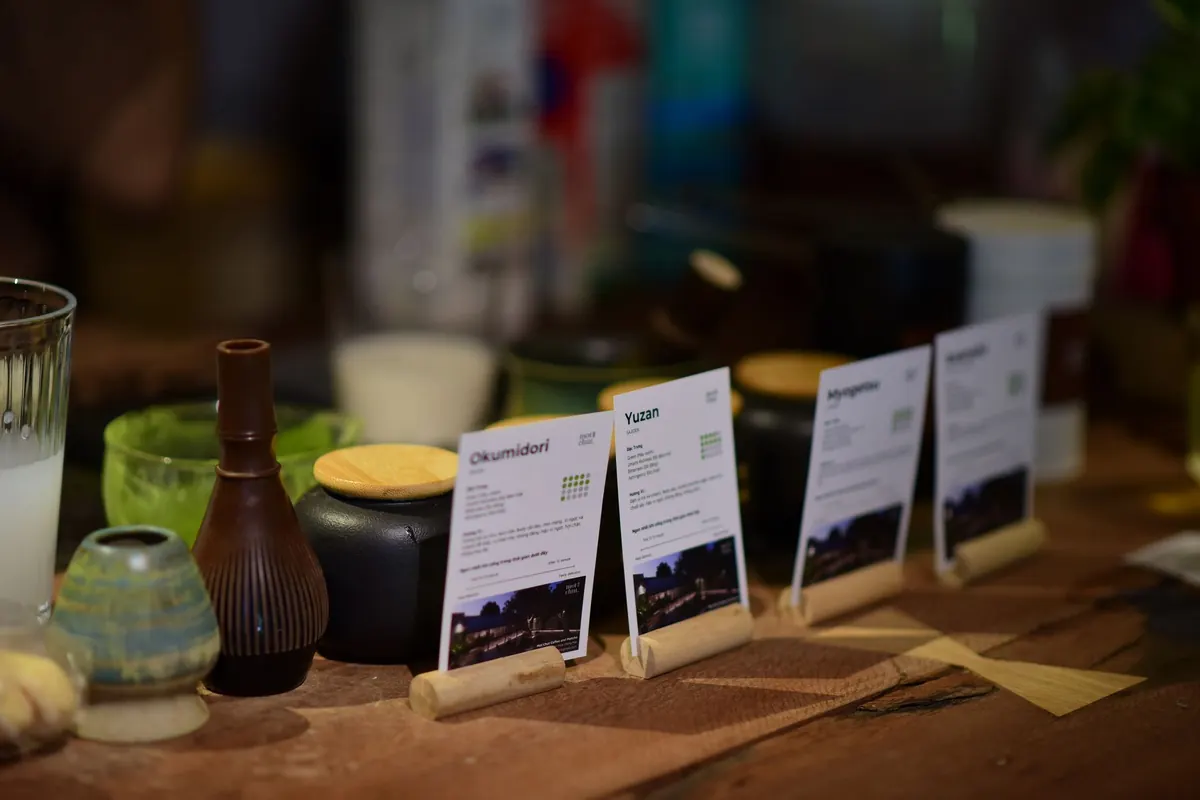
- Matcha — 160–175°F (70–80°C), whisked rather than steeped. Hotter water makes it sharp and chalky.
Where to aim inside the range
If the ranges feel wide, these are the numbers most people land on after some experimenting. Gyokuro around 140°F for a slow, sweet first steep. Sencha near 170°F for 60 to 90 seconds. Dragon well at 175°F for two minutes. Darjeeling first flush at 195°F for three. Assam at a rolling boil for four. A ball-rolled tieguanyin at 200°F, and a roasted rock oolong right off the boil. Chamomile for five minutes, fresh ginger for ten.
Leaf and Time Matter Just as Much
Temperature gets the attention because it is easy to measure, but two other variables do just as much damage. The first is how much leaf you use. As a starting point, figure roughly 2 grams of leaf per 8 ounces of water for green, white, and lighter oolongs, and about 3 grams for black teas, roasted oolongs, and pu-erh. Rolled oolongs look generous in a spoon because they are mostly air, so weigh them if you can, or use a heaped tablespoon rather than a level teaspoon.
The second is time. Temperature and time work together: a green tea at 180°F for one minute can taste cleaner than the same tea at 160°F for three. If you are pushing the top of a temperature range, shorten the steep. If you are at the bottom, you can afford to wait a bit longer.
Two habits help more than any gadget. Preheat your teapot or mug with hot tap water and dump it out before the leaves go in, so the water does not lose ten degrees on contact with cold ceramic. And do not judge by color. A lightly oxidized oolong can look pale and taste full; a long-steeped herbal can look dark and still be weak.
What Heat Actually Does to the Leaf
Hot water is a solvent, and it pulls different things out at different speeds. Aromatics and the savory, sweet compounds in tea come out readily, even in cooler water. The bitter and drying compounds — tannins and caffeine among them — need more heat and more contact time to extract fully. That is the whole logic of the cheat sheet: keep the water cool enough and the steep short enough that the pleasant things arrive first and the harsh ones stay behind.
This is why the same leaf can taste entirely different at 165°F and 200°F. It is also why raising the temperature is rarely the right fix for a cup that tastes weak — a longer or hotter steep usually just adds bitterness on top of thinness. More leaf is almost always the better answer.
Reading the Kettle Without a Thermometer
Traditional Chinese tea practice uses the sound and look of the water rather than a dial, and it works surprisingly well. Watch the bottom and sides of the pot as it heats:
- Shrimp eyes. Tiny bubbles the size of pinheads cling to the bottom. This is roughly 160°F — the zone for delicate green and white teas.
- Crab eyes. Small bubbles rise in a slow, scattered stream. Around 175–180°F, good for most greens and lighter oolongs.
- Fish eyes. Bigger bubbles break the surface steadily, with a soft rushing sound. Roughly 185–195°F, the range for oolongs and gentler blacks.
- Rolling boil. A full, churning boil with a deep rumble. 212°F, for black tea, pu-erh, and herbal infusions.
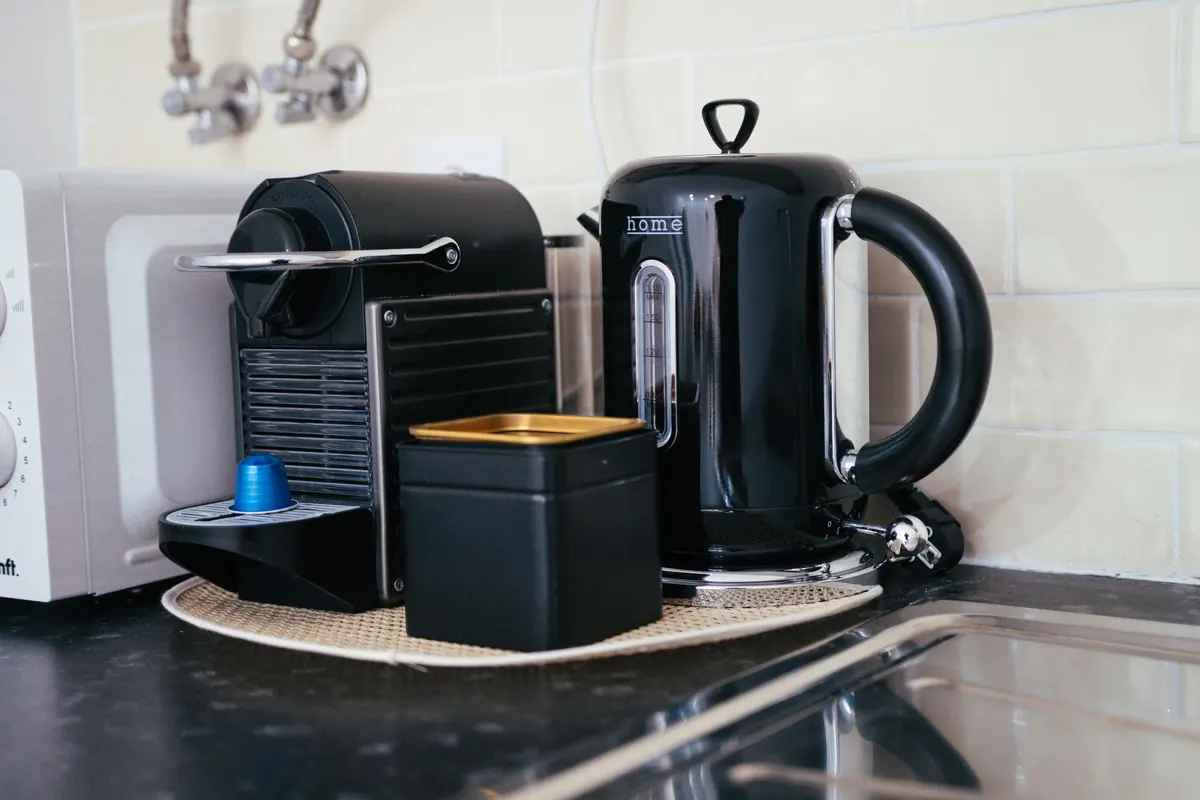
If you have an electric kettle with no temperature setting, boil the water, switch it off, and let it sit. A minute or two brings it down into oolong territory; five to eight minutes, depending on how much water is in the kettle, gets you close to green tea temperatures. Pouring the water into a cool mug or teapot first drops it further. Both approaches are approximate, which is fine — taste and adjust.
Quick Fixes When the Cup Is Off
- Green tea tastes bitter or grassy in a bad way. Drop the temperature by 10°F and cut the steep by 30 seconds.
- The tea tastes thin and flat. Add more leaf rather than more time.
- Black tea is harsh and drying. Your water is fine; shorten the steep by a minute or use slightly less leaf.
- Oolong has no flavor at all. The water is too cool. Take it up to 195–205°F, especially for rolled or roasted styles.
- Herbal tea tastes watery. Use boiling water and give it the full 7 to 10 minutes. Most herbs need heat and patience.
Steeping the Same Leaves Again
Good whole-leaf tea rarely gives everything up in one go. Green and white teas usually reward two or three steeps; black teas two or three; oolongs four to eight; pu-erh many more. Add 15 to 30 seconds to each subsequent steep, and keep the water at the same temperature. Herbal infusions are the exception — most are spent after one or two rounds, though whole spices and seeds often have more to give.
A note on herbal blends: many are pleasant and harmless, but some herbs are active. If you are pregnant, nursing, or taking regular medication, check with a pharmacist or doctor before making a medicinal blend part of your daily routine.
Make It a Habit
Pick one tea and brew three cups in a row. Same leaf, same amount, same water — only the temperature changes: 165°F, 185°F, and 205°F. Taste them side by side and you will learn more in ten minutes than any chart can teach you, because the numbers only tell you where to begin. After that, your own palate is the better instrument. Keep this page near the kettle, write your favorite temperatures on the tin, and adjust from there. The chart starts the conversation; the cup finishes it.
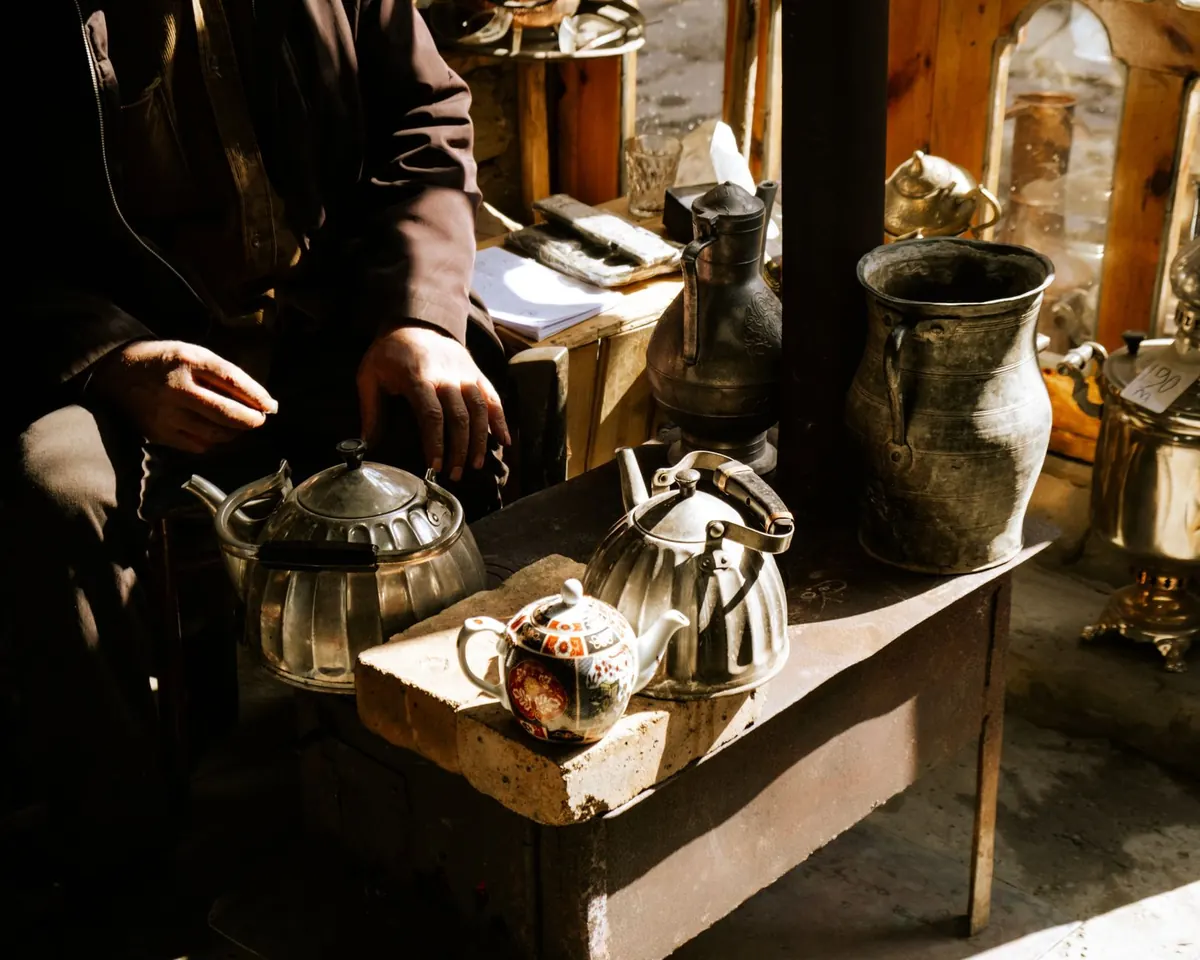
Photo: Leyla Qəhrəmanova / Pexels